When to Plant Herbs by Zone (Indoors + Outdoors)
June 24, 2026
This post contains affiliate links. If you purchase through one of them, we earn a small commission at no extra cost to you. See our disclosure policy for details.
Herb timing isn’t universal. A gardener in Zone 9b direct-sows basil into warm spring soil while a Zone 5a grower is still nursing transplants under grow lights. The tables below show when to plant herbs by zone, with exact start windows keyed to your USDA Hardiness Zone and last-frost date.
If you want zone-matched timing across the full vegetable and herb calendar, the GardeningByZone regional guides drill into your specific zone’s frost windows and soil temperature history.
If you’re starting herbs from seed indoors, a self-contained kit like
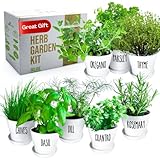 Deluxe Indoor & Outdoor Herb Garden Kit – 8 or the Most Popular Culinary Herbs with Pots & Soil for Windowsill or Patio Growing — $29.95 removes the guesswork: grow medium, drainage, and light capacity
are pre-matched so early seedlings get a reliable start.
Deluxe Indoor & Outdoor Herb Garden Kit – 8 or the Most Popular Culinary Herbs with Pots & Soil for Windowsill or Patio Growing — $29.95 removes the guesswork: grow medium, drainage, and light capacity
are pre-matched so early seedlings get a reliable start.
How to Read These Tables
“Weeks before LF” means weeks before your average last spring frost. “LF + X weeks” means weeks after it. Frost dates drive the transplant calendar for cool-season herbs; soil temperature drives it for heat-sensitive ones.
Measure soil temperature before transplanting basil outdoors. It stalls below 60°F soil even when air temperatures look fine, and one cold night can set back transplants by two weeks.
When to Plant Herbs Indoors by Zone
Start these weeks before your last frost: basil (6–8 weeks), parsley (10–12 weeks), chives (8–10 weeks), fennel (4–6 weeks), lemon balm (6–8 weeks).
Cilantro and dill dislike transplanting. Start them in biodegradable pots or skip indoor starts entirely and direct-sow when soil reaches 50°F.
| Zone | Avg Last Frost | Indoor Start Window |
|---|---|---|
| 3b | June 1 | March 20 – April 15 |
| 4a | May 15 | March 5 – April 1 |
| 4b | May 1–15 | Feb 19 – March 20 |
| 5a | April 15–May 1 | Feb 5 – March 20 |
| 5b | April 1–15 | Jan 22 – March 5 |
| 6a | March 15–April 1 | Jan 8 – Feb 19 |
| 6b | March 1–15 | Dec 25 – Feb 4 |
| 7a | Feb 15–March 1 | Dec 11 – Jan 22 |
| 7b | Jan 15–Feb 15 | Nov 11 – Jan 8 |
| 8a | Dec 15–Jan 15 | Oct 15 – Nov 27 |
| 8b | Nov 15–Dec 15 | Sep 15 – Oct 27 |
| 9a | Jan 1 or later | Year-round |
| 9b | Frost-free | Year-round |
| 10a+ | Frost-free | Year-round |
Outdoor Transplant and Direct-Sow Windows
“Transplant” means moving indoor seedlings outdoors after seven to ten days of hardening off. “Direct sow” means planting seed directly into garden soil.
| Herb | Type | Min Soil Temp | Transplant | Direct Sow |
|---|---|---|---|---|
| Basil | Annual | 60°F | LF + 2 weeks | LF + 2 weeks |
| Cilantro | Annual | 50°F | Avoid; direct sow | LF – 2 weeks |
| Dill | Annual | 50°F | Avoid; direct sow | LF – 2 weeks |
| Parsley | Biennial | 50°F | At LF | LF – 4 weeks |
| Chives | Perennial | 50°F | LF – 2 weeks | LF – 4 weeks |
| Fennel | Perennial | 60°F | LF + 1 week | At LF |
| Mint | Perennial | 55°F | LF – 2 weeks | Divide from existing |
| Oregano | Perennial | 55°F | LF – 2 weeks | LF – 2 weeks |
| Thyme | Perennial | 55°F | LF – 2 weeks | LF – 2 weeks |
| Sage | Perennial | 60°F | At LF | At LF |
| Rosemary | Perennial | 60°F | LF + 1 week | LF + 1 week |
| Lavender | Perennial | 60°F | LF + 1 week | LF – 8 weeks |
When starting multiple varieties simultaneously, individual-cell seed trays prevent root
entanglement at transplant time.  Bonnie Plants Rosemary Live Edible Aromatic Herb Plant - 4 Pack, Perennial In Zones 8 to 10, Great for Cooking & Grilling, Italian & Mediterranean Dishes, Vinegars & Oils, Breads — $26.21
Perennial Herbs: Planting Once, Harvesting for Years
Chives, mint, oregano, sage, and thyme return each season in Zones 5 and warmer. In Zone 4, mulch perennial crowns in November to prevent heave damage from freeze-thaw cycles.
Rosemary survives winters reliably only in Zone 7b and warmer. In Zones 6a through 7a, treat it as a tender perennial: bring it indoors before first frost or plan to replace it annually. Lavender overwinters in Zone 5 with sharp drainage; wet roots in frozen ground kill it faster than cold alone.
Thyme and oregano germinate readily from direct sow when soil consistently holds above
55°F. Plant them near the last-frost window and they’ll establish before summer heat peaks.
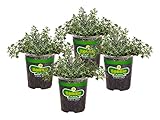 Bonnie Plants German Thyme Live Herb Plants - 4 Pack, Perennial In Zones 5 to 9, In Bouquet Garni; Aromatic Dishes — $18.72
Zone-Specific Guidance
Zone 6b
Last frost: March 1–15. Soil reaches 50°F in early April and 60°F by late April.
Start basil indoors in late December. Transplant after April 15 when nighttime lows hold reliably above 50°F; eggplant follows the same threshold if you’re running a mixed spring bed. Cilantro and dill go outdoors in mid-March, before last frost. Rosemary survives Zone 6b winters only in a protected south-facing bed with excellent drainage; mulch the crown by early November.
Zone 6b planting calendar has frost-date and soil-temperature data for your specific location within the zone.
Zone 7a
Last frost: February 15–March 1. Soil hits 50°F in early March and 60°F by mid-April.
Basil goes outdoors in late March. Cilantro and dill direct-sow in late February. Perennial herbs are root-active before last frost and can go in as early as late February if soil is workable. Rosemary is fully cold-hardy in Zone 7a and needs no winter protection in most locations.
Watermelon timing in Zone 7a follows a similar last-frost trigger. Zone 7a planting guide covers the warm-season transplant window shared by heat-loving herbs and summer vegetables.
Zone 8a
Last frost: December 15–January 15. Soil stays workable year-round and drops below 50°F only in December and January.
Most herbs plant in February and again in September for a fall succession. Basil is the exception: wait until March when soil reliably clears 65°F. Cilantro performs best as a fall or early spring crop; it bolts in Zone 8a’s summer heat. Lettuce follows the same pattern. A September planting of parsley and chives carries through to the following spring.
Zone 8a’s December-January window is short enough to bridge with an indoor growing setup.
For continuous production through those two months, 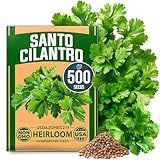 HOME GROWN Non GMO 500+ Cilantro Seeds (Fast Growing) Heirloom Coriander Seeds for Planting Indoors & Outdoors Santo Cilantro Herb for Kitchen Garden, High Germination — $5.15 keeps herbs
growing without a break.
HOME GROWN Non GMO 500+ Cilantro Seeds (Fast Growing) Heirloom Coriander Seeds for Planting Indoors & Outdoors Santo Cilantro Herb for Kitchen Garden, High Germination — $5.15 keeps herbs
growing without a break.
Zone 8a planting calendar lists month-by-month soil temperatures and timing for both spring and fall herb windows.
Zone 9b
Last frost: effectively frost-free. Soil stays above 60°F from February through November.
Basil grows from February through October but may stall during peak heat above 95°F. Cilantro is a fall and winter crop: direct-sow in October for the strongest harvest and expect it to bolt by March. Celery starts indoors in August for a fall harvest; it requires consistent soil moisture and performs well through Zone 9b’s mild winters. Mint, chives, and oregano grow year-round with minimal intervention.
Okra timing in Zone 9b runs parallel to the warm-season herb window. Zone 9b planting calendar covers soil temperature benchmarks for heat-tolerant vegetables and perennial herbs.
Soil Temperature Minimums Before Transplanting
Calendar date is unreliable for heat-sensitive herbs. Check these minimums with a soil thermometer before moving transplants outdoors:
- Basil: 60°F (65°F for best germination)
- Cilantro and dill: 50°F
- Parsley: 50°F
- Rosemary: 60°F
- Lavender: 60°F
- Chives, mint, oregano, thyme: 55°F
- Fennel and sage: 60°F
🌱 Ready to Plan Your Garden?
Use our free planting calendar to get personalized planting dates for 50+ vegetables, herbs, and flowers based on your zip code.
Find My Planting Dates📚 Regional Vegetable Gardening Guides
Want the complete regional strategy? Our 10-book series includes month-by-month planting schedules, companion planting charts, pest management, and 50+ crop profiles — calibrated to your USDA zone and climate.
Browse All 10 Guides