What to Plant in September, Zone by Zone
August 07, 2026
September splits gardeners into two different worlds. In Zone 3, you may have fewer than two weeks before the first hard frost. In Zone 10b, September marks the start of the year’s best gardening months. What you plant right now is almost entirely determined by your USDA hardiness zone, your average first frost date, and your current soil temperature.
This post contains affiliate links. As an Amazon Associate, GardeningByZone earns from qualifying purchases at no additional cost to you.
For month-by-month planting calendars specific to your region, browse the GardeningByZone regional vegetable gardening guides.
Zones 3 Through 5: The Closing Weeks
Zone 3 averages a first frost between September 1 and September 15. The direct-sow window for most crops has closed. The exception is a cold frame: spinach started in late August inside a frame will continue producing into October. Focus on harvesting remaining crops and clearing beds.
Zone 4 (first frost September 15–October 1) has 2–4 weeks left. Radishes sown now reach maturity in 25–30 days and will finish before frost. Spinach sown in early September germinates in cooling soil and can be mulched heavily to overwinter for early spring harvest.
Zone 5 (first frost October 1–15) has 4–6 weeks of usable growing time. In early September, soil temperatures typically sit at 55–65°F, ideal for cool-season germination. Direct sow now:
- Radishes (25–30 days to maturity)
- Spinach (45–50 days)
- Turnips (45–55 days)
- Kale (50–60 days; frost-tolerant to 20°F)
Plant garlic cloves in late September in Zone 5. They need 6–8 weeks of soil above
32°F to establish roots before the ground freezes. September is also the right
month for bare-root fruit trees:  McIntosh Apple Tree - 1 Gallon Potted Plant, 4’-5’ft Tall - — $45.95 goes in the ground while
soil stays above 50°F, giving roots a full season to establish before next summer.
McIntosh Apple Tree - 1 Gallon Potted Plant, 4’-5’ft Tall - — $45.95 goes in the ground while
soil stays above 50°F, giving roots a full season to establish before next summer.
Zones 6 and 7: Cool-Season Crops Move In
Zone 6 (first frost October 15–November 1) has 7–9 weeks before a hard frost. Zone 7 (first frost November 1–15) has 9–10 weeks. Both zones are in full transition from summer to cool-season production in September.
Direct sow in the first two weeks of September: kale, spinach, arugula, chard, mustard greens, radishes, and turnips. Target soil temperatures of 60–70°F for fastest germination. Broccoli and cauliflower transplants started indoors 6–8 weeks ago go in the ground now; both handle Zone 6 and Zone 7 frost well once established.
When to Plant Lettuce in Zones 6–7
Lettuce germinates best at soil temperatures between 60°F and 68°F. In Zone 6, sow in the first two weeks of September before soil cools below 55°F and germination slows. Butterhead and loose-leaf varieties reach harvest size in 45–55 days, putting first harvest in the mid-October to early November window; floating row covers rated to 28°F extend viable harvest through the frost period.
In Zone 7, the window extends to late September. Sowing on September 1 and again on September 20 staggers harvest across October and early November. Floating row covers rated to 28°F add 3–4 weeks to the harvest season on cold nights.
Direct-seeded cosmos fills the late-season color gap in Zone 7 before the November
frost arrives. 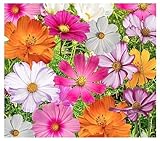 Cosmos Seeds in a Mixture of 11 Varieties - Long Blooming Period in All Zones - Easy to Grow — $12.99 germinates in 7–10 days and blooms in under
60 days from a September start.
Cosmos Seeds in a Mixture of 11 Varieties - Long Blooming Period in All Zones - Easy to Grow — $12.99 germinates in 7–10 days and blooms in under
60 days from a September start.
Zones 8a and 8b: Fall Is the Main Planting Season
Zone 8a and Zone 8b do not see hard freeze until late November or December. September is one of the highest-value planting months on the calendar for both zones.
Through September 10 in Zone 8a (September 20 in Zone 8b), sow one final round of bush beans and summer squash if you want a last harvest before the cool season. Both crops need 50–55 days. After those cutoffs, shift to cool-season production:
- Broccoli and cauliflower transplants (sets started in July go in now)
- Direct-sow kale, collards, chard, and spinach
- Beets and carrots (direct sow; thin to 3 inches as seedlings establish)
- Lettuce (soil temperature should be at or below 75°F for reliable germination)
- Garlic cloves (plant by mid-October; Zone 8 garlic typically harvests in June)
September is also the window for planting perennial trees and shrubs while soil
stays warm enough to drive root establishment before winter. Persimmons ripen
through October in Zones 8 and 9, and a tree planted now builds its root system
while soil holds above 60°F.  Perfect Plants Fuyu Jiro Persimmon Tree, 4-5 ft, Live Plant — $104.99 is the type suited to Zone 8
and Zone 9 soils and climate. Crape myrtles planted in September finish root
establishment before dormancy sets in;
Perfect Plants Fuyu Jiro Persimmon Tree, 4-5 ft, Live Plant — $104.99 is the type suited to Zone 8
and Zone 9 soils and climate. Crape myrtles planted in September finish root
establishment before dormancy sets in;  TriStar Plants - Red Scarlet Crape Myrtle, 1 Gallon Trade Pot - Lagerstroemia, Crepe Myrtle, Red Crape Myrtle, Southern Myrtle, Flowering Shrub, Flowering Tree, Healthy Established Roots — $30.99 is a strong choice
for the Zone 8 fall planting window.
TriStar Plants - Red Scarlet Crape Myrtle, 1 Gallon Trade Pot - Lagerstroemia, Crepe Myrtle, Red Crape Myrtle, Southern Myrtle, Flowering Shrub, Flowering Tree, Healthy Established Roots — $30.99 is a strong choice
for the Zone 8 fall planting window.
Zone 9b: September Transitions the Calendar
Zone 9b rarely sees frost before late December, and soil temperatures hold at 80–88°F through most of September. This zone runs two main growing windows: warm-season from spring through early summer, and cool-season from October through April. September is the transition month between them.
Through September 15, warm-season crops remain viable:
- Tomatoes: a final succession using varieties maturing in 65 days or fewer can produce by mid-November
- Okra and southern peas: continue harvesting; cut back once production slows
- Sweet potatoes: harvest when vines begin to yellow, typically September–October
Starting September 15, prepare beds for cool-season crops. Soil temperature must drop below 80°F before lettuce and carrots germinate reliably. For most Zone 9b locations that threshold arrives by late September or early October. Transplant broccoli, cauliflower, and kale as soon as overnight lows stay consistently below 75°F.
Garlic goes in the ground in Zone 9b from late October through November.
Zone 10b: September Is Preparation, Not Planting
Zone 10b covers southern South Florida, Hawaii, and similar frost-free areas. September average highs run 88–93°F across most of this zone. Cool-season crops direct-seeded now will bolt immediately. The September task list for Zone 10b centers on preparation for the October–November cool-season start.
Practical tasks for September in Zone 10b:
- Harvest and clear summer crops: sweet potatoes, bitter melon, long beans, tropical basil, and Malabar spinach
- Add compost to cleared beds and work it in before the October cool-season start
- Start broccoli, cauliflower, and cabbage seeds indoors now; they need 8–10 weeks to reach transplant size for a late October or early November install
- Monitor soil temperature daily: once morning readings fall below 80°F, lettuce and carrot direct sowing becomes viable outdoors
Okinawa spinach and Malabar spinach tolerate September heat in Zone 10b and can be direct-sown now for continuous harvest through the transition.
🌱 Ready to Plan Your Garden?
Use our free planting calendar to get personalized planting dates for 50+ vegetables, herbs, and flowers based on your zip code.
Find My Planting Dates📚 Regional Vegetable Gardening Guides
Want the complete regional strategy? Our 10-book series includes month-by-month planting schedules, companion planting charts, pest management, and 50+ crop profiles — calibrated to your USDA zone and climate.
Browse All 10 Guides